hungary
Where the Music Began
Before Montreal, musical theatre and international collaborations, Peter Sipos spent fifteen formative years at the heart of Hungary’s popular-music scene.
As a bassist, singer, composer and arranger, he helped shape the sound of two influential bands—Hungária and Juventus—while discovering the musical voice that would remain with him throughout his career.
From Hungária to Juventus—and back again.
A MUSICAL LIFE IN BUDAPEST
Peter Sipos began his professional career during an extraordinary period in Hungarian popular music.
A new generation of musicians was listening eagerly to rock and roll, rhythm and blues and the rapidly changing sounds arriving from Britain and America. For Peter and his contemporaries, this music represented more than entertainment. It offered a glimpse of another world—and the possibility of creating something fresh within Hungary’s tightly controlled cultural landscape.
Access to Western records, instruments and recording technology was limited. Radio appearances, record releases and opportunities to perform abroad were all influenced by official organisations. Yet within those restrictions, Budapest developed a vibrant and highly competitive music scene.
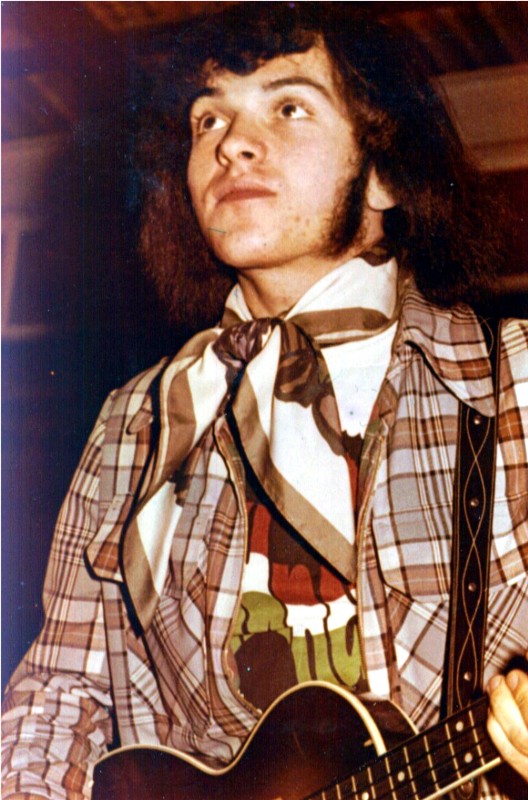
Peter first became widely known through Hungária, a young and ambitious group that drew inspiration from Western rock while beginning to establish its own musical identity. As bassist and singer, Peter became an important part of the band’s sound, while also developing his abilities as a composer, arranger and studio musician.
His career subsequently took him to Juventus, where he entered a new period of musical collaboration. The change brought different musicians, new material and further opportunities to write, record and perform. Several of the friendships and creative relationships formed during this period would later play an important part in Peter’s return to Hungária.
The story therefore did not proceed in a straight line. Musicians moved between groups, line-ups changed and new combinations emerged. After his time with Juventus, Peter helped bring together a re-formed Hungária, carrying experience and colleagues from one chapter of his career into the next.
Across the two bands, Peter participated in radio recordings, festivals, live performances and recording projects at a time when every professional opportunity had to be negotiated within the realities of Communist Hungary.
These years provided the foundation for everything that followed. Peter learned how to work within an ensemble, how to arrange music for other performers and how to combine strong melody with the energy of live performance. He also formed creative relationships that would remain important long after individual bands and line-ups had changed.
By the time he left Hungary for Canada in 1980, Peter had spent fifteen years as a professional musician. He was leaving behind an established career, familiar collaborators and the city in which his musical identity had been formed.
He carried that experience with him to Montreal—where rock musician, composer and arranger would eventually become a composer for the musical stage.
Juventus — A New Musical Direction
THE CONNECTION CONTINUED
Although Peter left Hungary for Canada in 1980, his creative relationship with Hungarian music did not end. Five years later, he collaborated with internationally acclaimed opera singer Júlia Hamari on Mozart Rock—an adventurous Hungaroton album that placed Mozart’s vocal music within Peter’s original rock arrangements.
DISCOVER MOZART ROCK