Career highlights
More Than Five Decades in Music
From Hungary’s pioneering beat scene to international recording projects and musical theatre, Peter Sipos’s career has crossed genres, languages and continents.
These selected highlights trace the principal stages of a musical life shaped by performance, composition, collaboration and a continuing desire to explore new creative possibilities.
THE EARLY YEARS
A Childhood Surrounded by Music
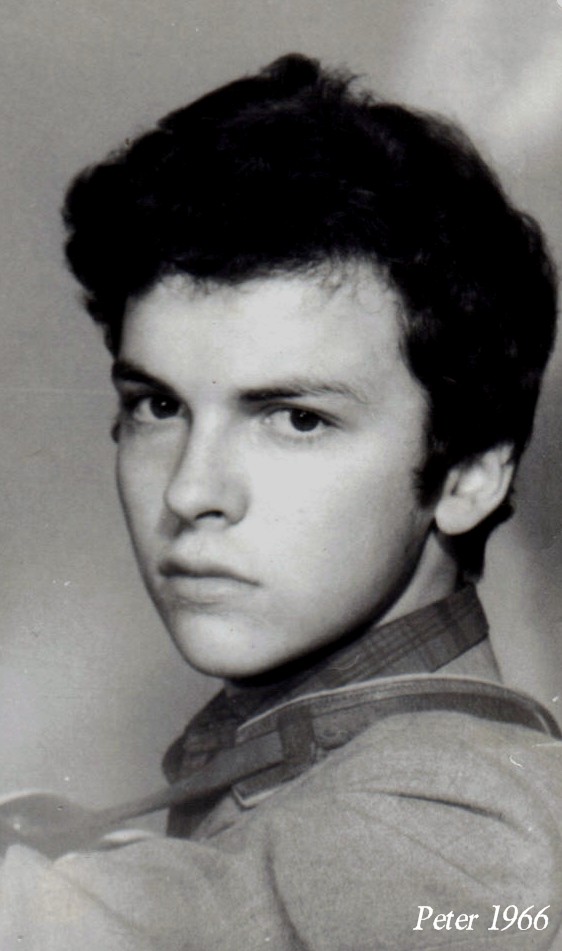
Born in Budapest, Peter grew up in a family in which music was already an important presence.
His mother, Edit Fábry, was an opera singer who later became a highly respected singing teacher. Although Peter was captivated by Western rock and roll, the classical foundations of his childhood remained with him and would eventually become an important part of his work as an arranger and theatrical composer.
1969
Joining Hungária
At the age of nineteen, Peter joined Hungária, one of the emerging bands of Hungary’s rapidly developing beat movement.
As bassist, singer, composer and arranger, he entered a demanding professional world of concerts, radio sessions, television appearances, recordings and growing national recognition.
Hungária established Peter as a professional musician and gave him his first experience of creating an identity and sound within a successful band.
1971
A New Beginning with Juventus
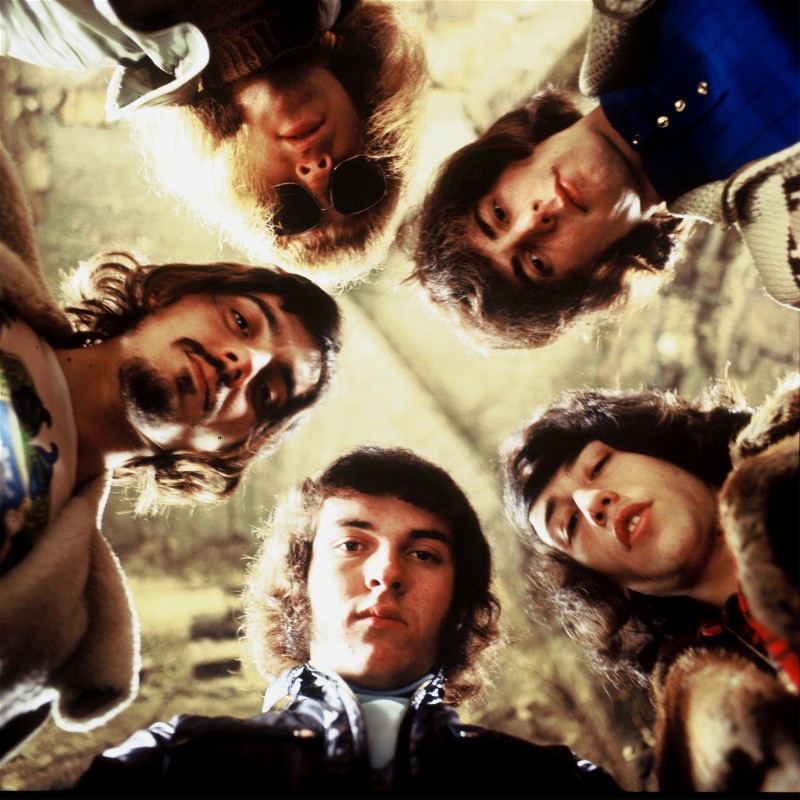
Following the end of Hungária’s original line-up, Peter accepted an invitation from singer and bandleader László Pápay-Faragó to join Juventus.
Peter helped shape a new version of the group, bringing together accomplished musicians, a powerful rock sound and distinctive three-part vocal harmonies.
The Juventus years also marked Peter’s growing development as a composer, arranger and musical director.
1972
Song Festival Success
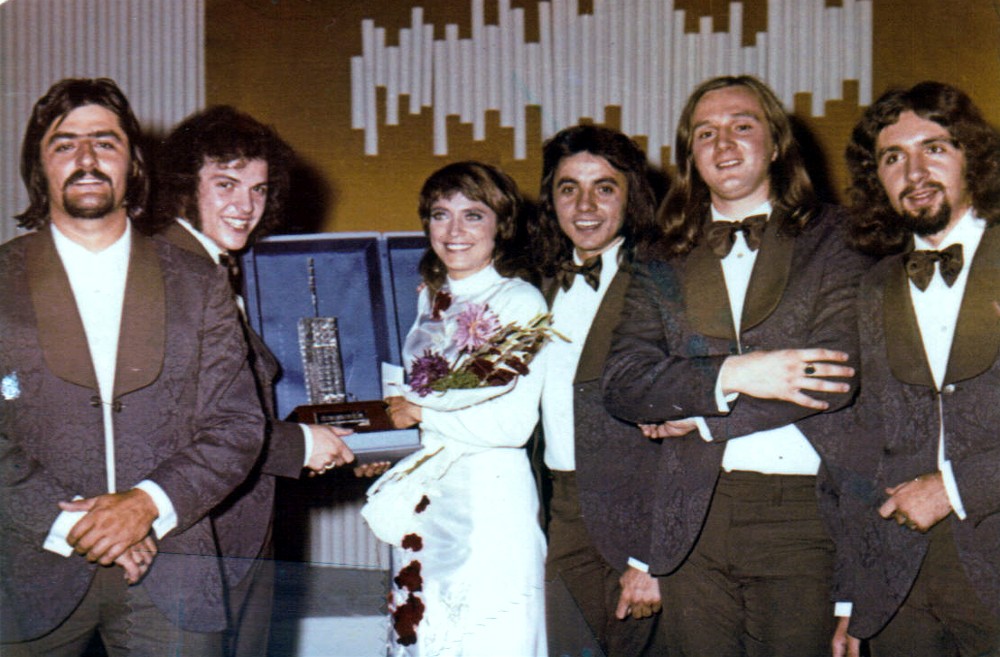
Juventus accompanied leading Hungarian singer Kati Kovács on Add már, Uram, az esőt (Lord, Send Us Rain) at the nationally televised 1972 Song Festival (Táncdalfesztivál).
The performance combined Kovács’s commanding lead vocal with the band’s strong rock instrumentation and closely arranged harmonies. The song won the festival’s Grand Prix.
Juventus also entered Peter’s own composition Lenn a folyónál (Down by the River), written with lyricist Péter Tardos.
1972–1979
Music Across Borders
Peter’s fluency in German helped him establish valuable relationships with broadcasters and recording professionals in East Germany.
These connections created international opportunities for Juventus, Kati Kovács and, later, the re-formed Hungária. Peter worked in East Berlin’s recording studios and helped Hungarian music find audiences beyond its national borders.
The experience also demonstrated the importance of communication, initiative and international collaboration—qualities that would remain central throughout his career.
1973
The Return of Hungária
When Juventus came to an end, Peter remembered that Hungária’s music had developed an unexpected following in East Germany.
He reopened discussions with Miklós Fenyő and brought former Juventus musicians Zoltán Kékes and Attila Csurgay into a new Hungária line-up.
The re-formed band returned to recording and performance and went on to develop a particularly successful following in East Germany.
From 1973 onwards, Peter’s creative role within Hungária also expanded. Alongside composing many of the band’s songs, he increasingly became a lyricist, writing words as well as music and adding another dimension to his contribution to Hungária’s repertoire.
1979–1980
Leaving Hungary
Peter left Hungary in October 1979. Following an interim period in Germany, he arrived in Canada on 28 May 1980.
The move marked the beginning of an entirely new chapter. In Hungary, Peter had been a recognised member of successful bands and an experienced figure within popular music. In Canada, he had to establish himself again.
He learnt new repertoire, performed for new audiences and gradually developed relationships within Montreal’s diverse musical community.
1985
Pour vous
Peter’s Canadian recording work included Pour vous, recorded by a young Céline Dion in 1985.
The recording forms part of a remarkable early period in which Peter was developing his career as a composer, arranger and producer in Canada while maintaining creative connections with Europe.
Listen to the Music
1985
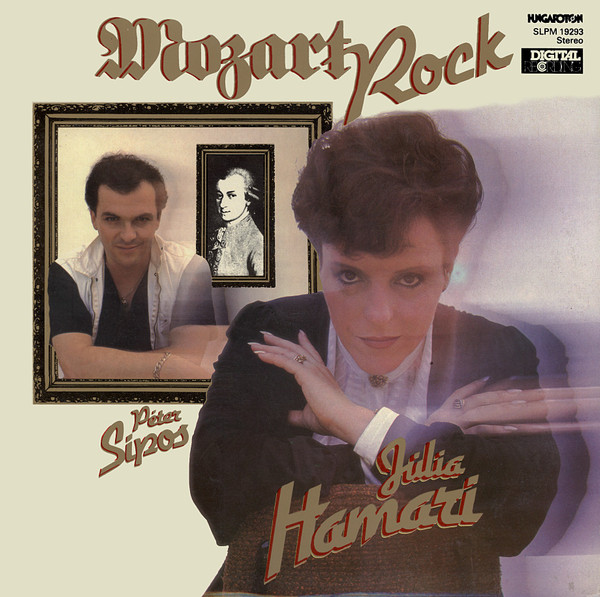
Mozart Rock
Peter collaborated with internationally acclaimed Hungarian opera singer Júlia Hamari on Mozart Rock.
The album reimagined some of Mozart’s best-known compositions through contemporary rhythms, vocal arrangements, rock instrumentation and studio production.
The project brought together two important strands of Peter’s musical identity: the classical and operatic tradition of his childhood and the popular music that had shaped his professional career.
1992–1997
Jeanne
Peter’s development as a theatrical composer led to Jeanne, an ambitious musical inspired by the story of Joan of Arc and created with writer and lyricist Vincent de Tourdonnet.
The musical received successful large-scale productions in Montreal and Quebec City during the 1990s.
The project also brought Peter into collaboration with Martin Charnin, the Tony Award-winning lyricist and director of Annie. Their creative relationship would continue into Peter’s next major theatrical work.
2002–2013
Robin Hood
Peter reunited with Martin Charnin for Robin Hood, created with Tony Award-winning Broadway book writer Thomas Meehan.
Rather than simply retelling the familiar legend, the musical imagined Robin, Marian and the Merry Men many years later, as a new generation prepared to inherit their responsibilities.
The work developed through readings, workshops and productions over more than a decade. Its journey included performances in Washington State and culminated in a professional staged reading in New York in 2013.
2007–2009
Contact
Director and producer Alan Bryce invited Peter to compose a musical adaptation of Carl Sagan’s Contact, with lyrics by Amy Engelhardt.
The project connected its three writers across Montreal, Los Angeles and Washington State. It also brought Peter and Amy into contact with Carl Sagan’s widow and creative collaborator, Ann Druyan, who responded enthusiastically to their work.
Contact received its world première at Centerstage Theatre in Federal Way, Washington, in 2009.
A NEW DRAMATIC WORLD
Dybbuk
With Dybbuk, Peter’s theatrical writing entered the darker world of Jewish folklore.
Exploring themes of love, memory, destiny and spiritual possession, the work called for a distinctive musical language shaped by the atmosphere and cultural inheritance of its story.
Although less extensively developed than Peter’s other theatrical projects, Dybbuk reveals another dimension of his work as a dramatic composer.
THE LATEST MUSICAL
Leonardo
Created with Canadian playwright Tony Calabretta, Leonardo explores the life and imagination of Leonardo da Vinci.
The musical looks beyond the familiar image of the great artist and inventor to consider the human being behind the achievements: his curiosity, ambitions, relationships, contradictions and restless desire to understand the world.
The work brings together Peter’s lifelong experience of popular music, vocal arranging, orchestral composition and theatrical storytelling.
2026
A British Workshop
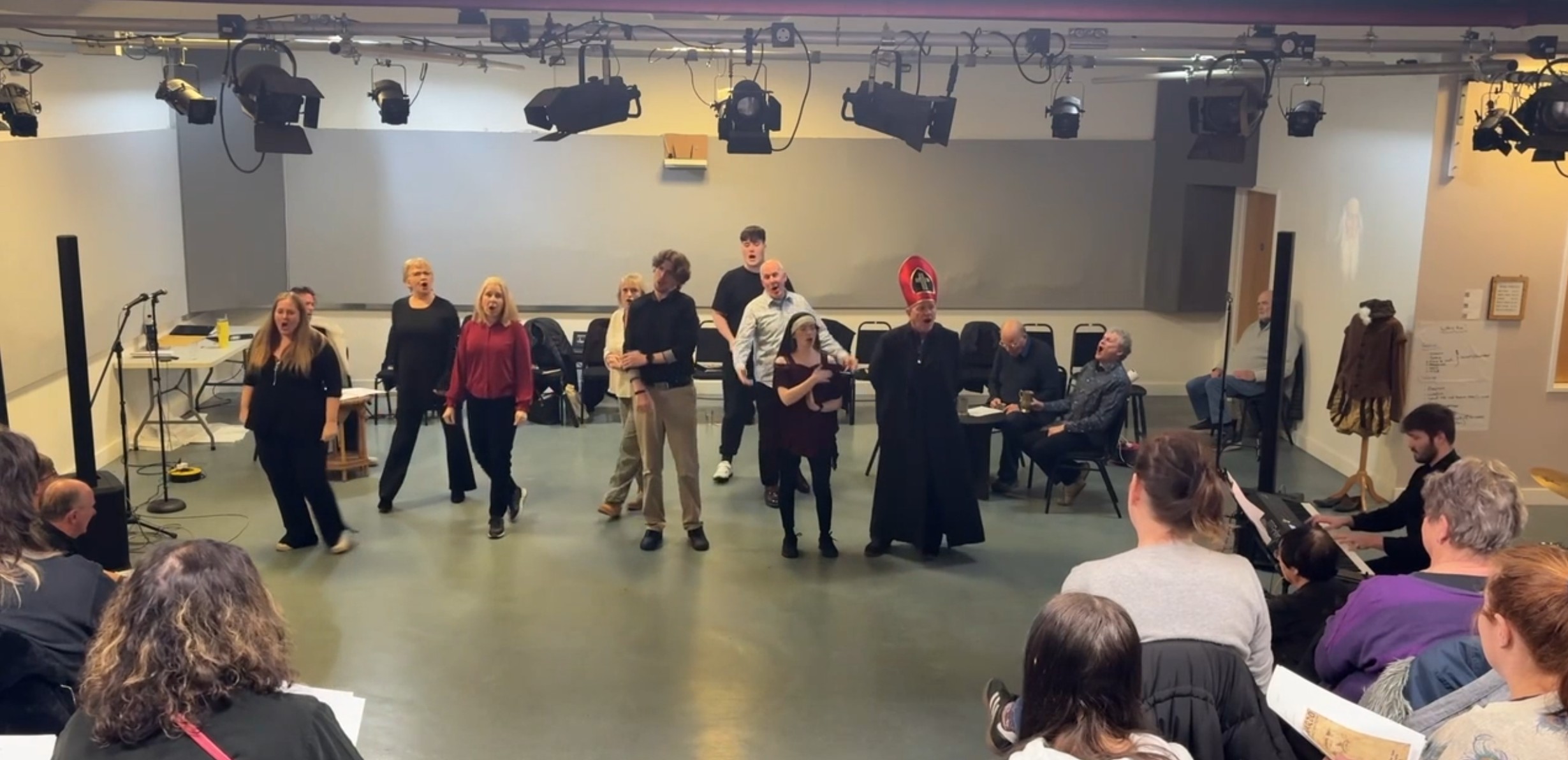
Selected songs and scenes from Leonardo were presented in England by the Thalian Theatre Company, under musical director Margaret Johnson and director Darren Barsby.
Broadway producer Jana Robbins attended the workshop and provided a detailed professional critique. Peter and Tony accepted many of her recommendations and began revising the musical in response.
The writers remain open to further workshops, dramaturgical development and collaboration with an experienced production company capable of helping Leonardo take its next major step.
STILL MOVING FORWARD
Peter Sipos’s career has taken him from Budapest’s beat clubs to international recording studios, and from life as a performing musician to the creation of ambitious theatrical scores.
Across more than six decades, he has continued to adapt, collaborate and explore new musical territory.
His career is not simply a record of what has already been achieved. With Leonardo continuing to develop, the next highlight may still lie ahead.